White pulp, black seeds
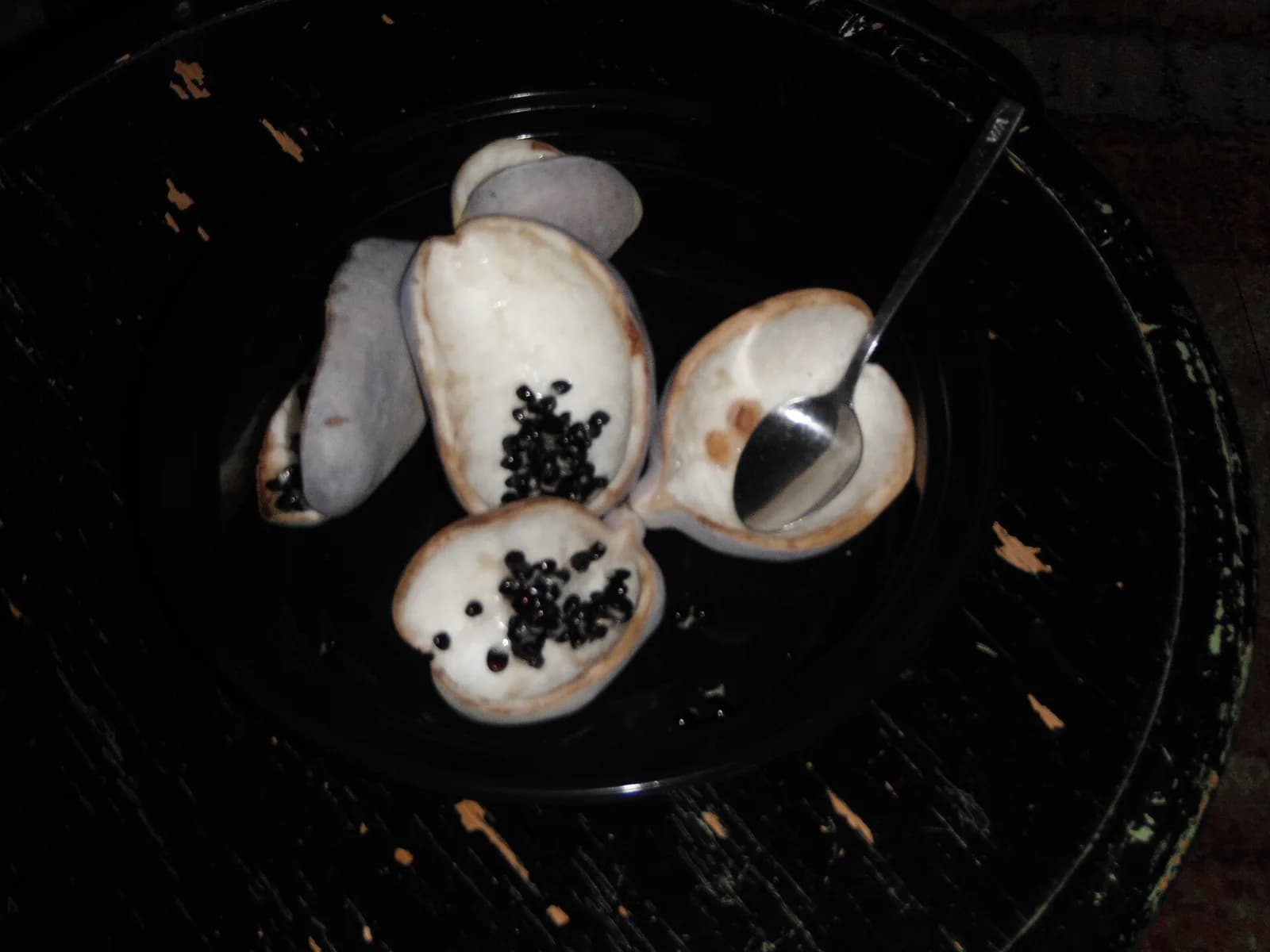
The soft, sweet pulp is eaten around the numerous seeds, which are usually discarded.

The split is a ripeness signal
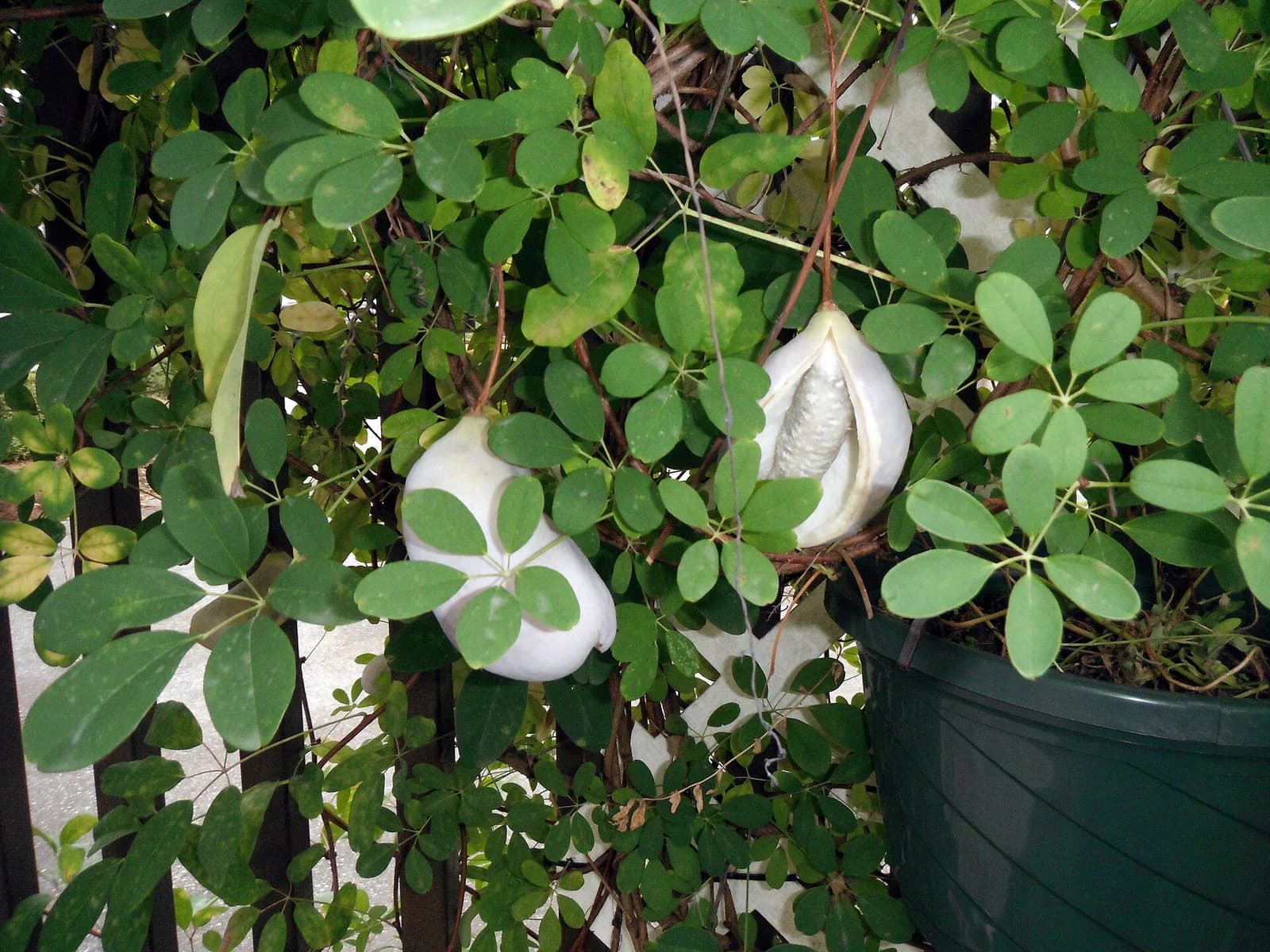
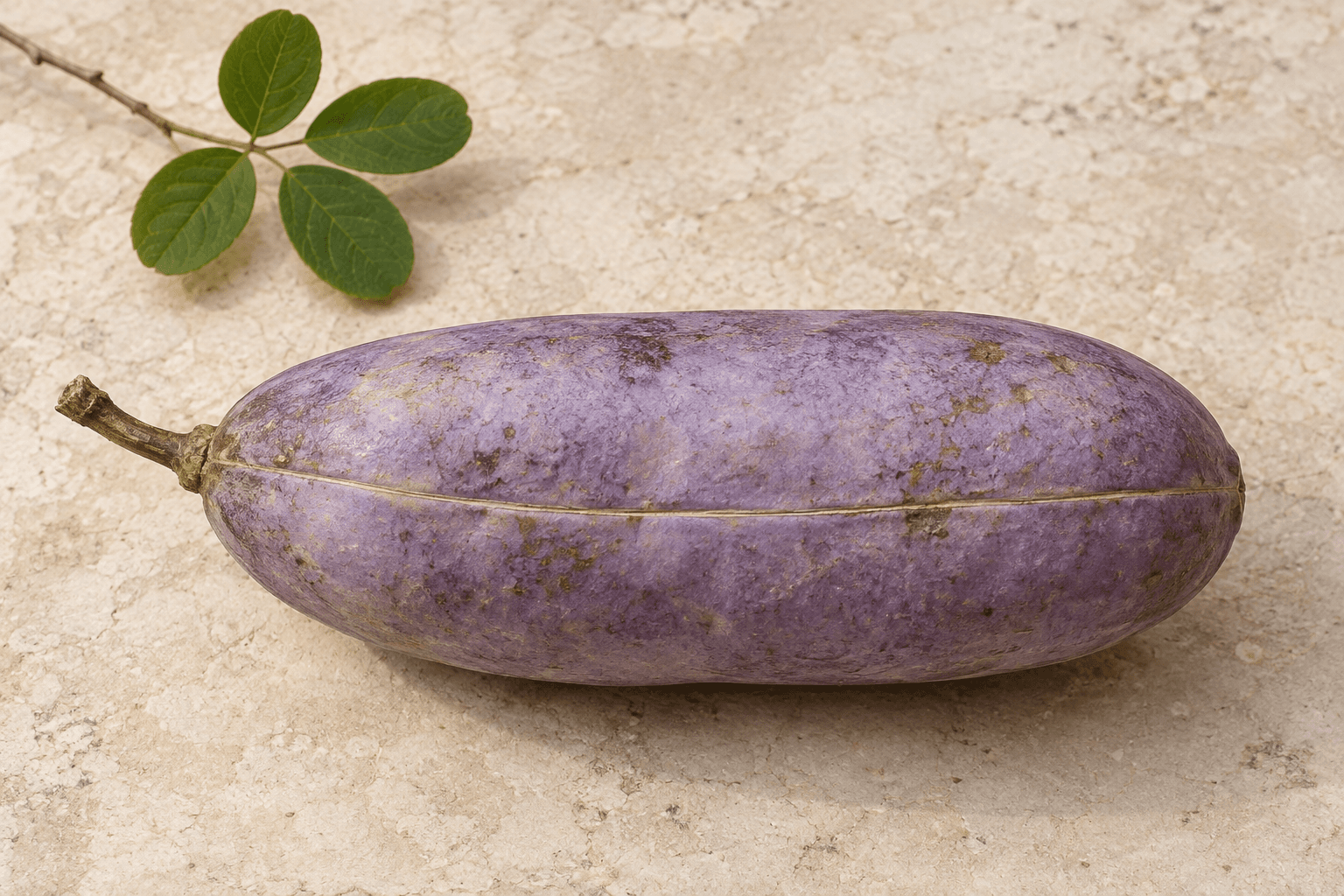
Unlike a fruit that stays sealed, akebia opens naturally as it ripens.
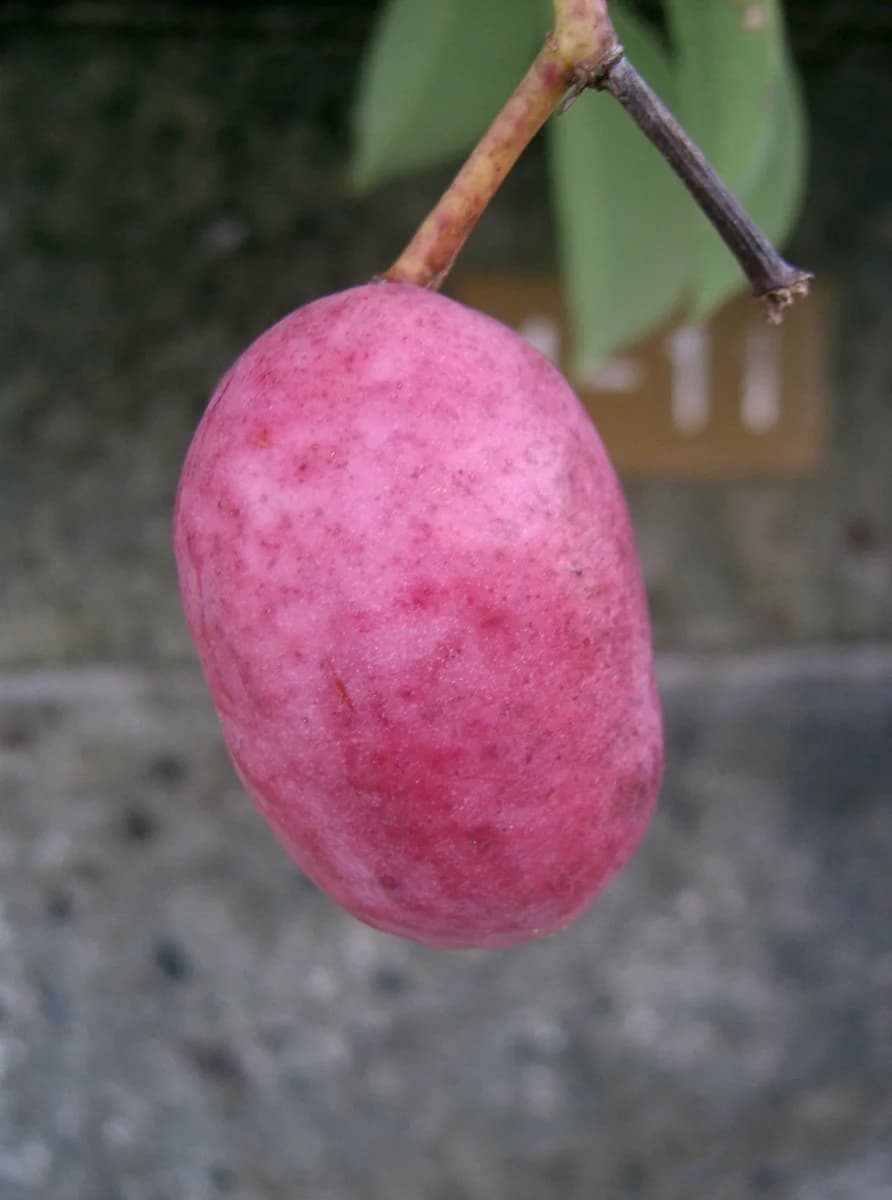
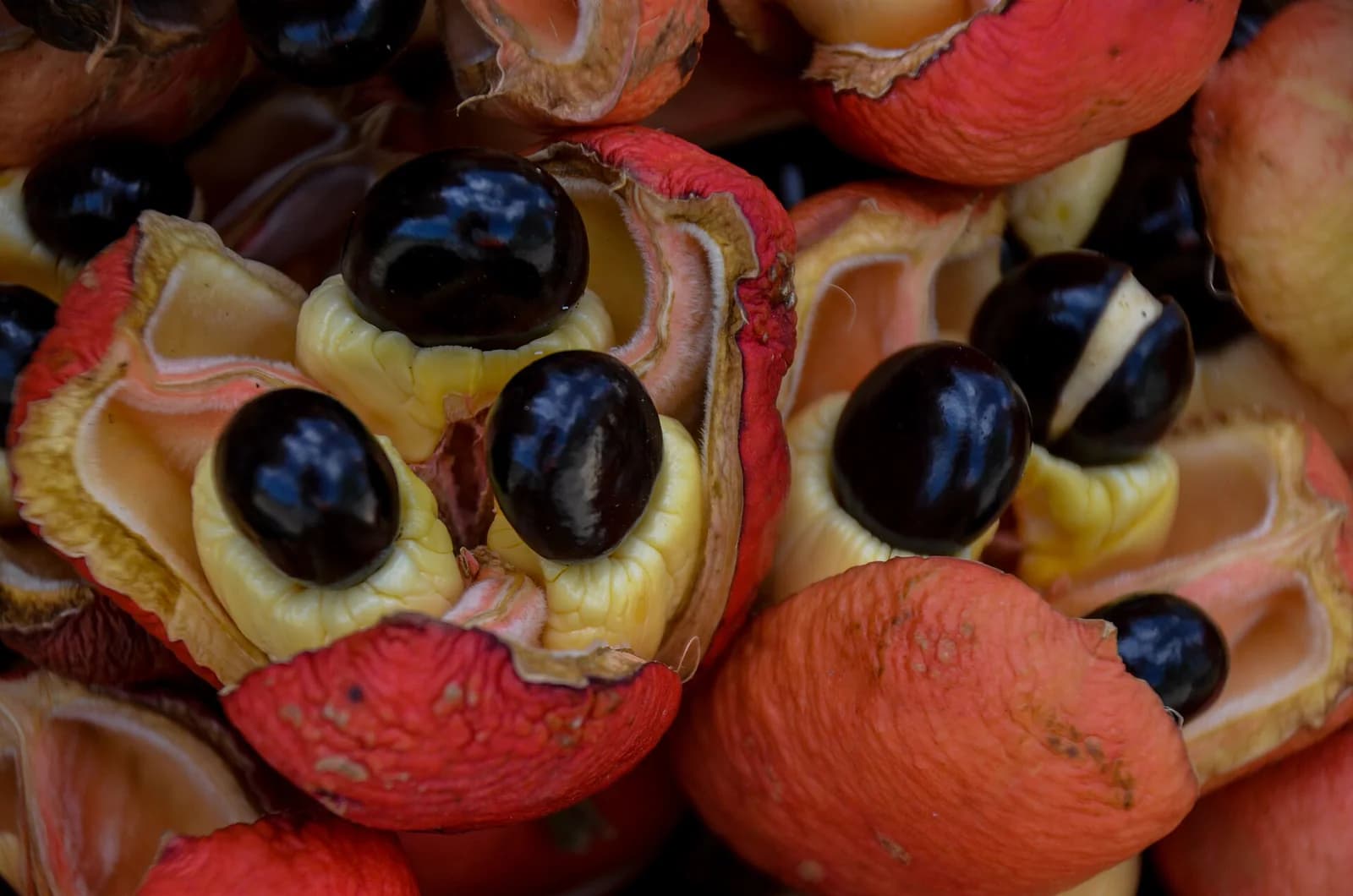
When the purple skin splits, white pulp and many black seeds appear.
The open fruit announces autumn, but its white pulp surrounds a striking number of seeds.

Drag the divider to compare the two views, or use the buttons to see each image.
Second view
First viewThe soft, sweet pulp is eaten around the numerous seeds, which are usually discarded.
AI-generated image · Fruitplot StudioUnlike a fruit that stays sealed, akebia opens naturally as it ripens.
Photo · Ursus sapien · CC BY-SA 4.0When the purple skin splits, white pulp and many black seeds appear.
The soft, sweet pulp is eaten around the numerous seeds, which are usually discarded.

Unlike a fruit that stays sealed, akebia opens naturally as it ripens.

Related food, processed, and growing products. Check product details and whether they are edible before buying.
Checking related products…
Editorial images created from botanical references and reviewed for fruit shape, cross-section, and edible parts.
View license